Reliable Protection With Proven, Auditable Results

Our highly effective water treatment and CIP disinfection systems at Oxichlor have been widely tested and proven over the past 20 years in the most challenging food processing environments.

Ensuring that your food processing operations remain free of harmful bacteria like Salmonella, E.coli, Listeria, Pseudomonas, and Campylobacter is crucial to avoid disruption and losses.

Our industry-trusted Chlorine Dioxide equipment has built-in data logging and audit trails, allowing you to demonstrate your unwavering commitment to best practices.

At Oxichlor, we provide unparalleled technical and QA support to back up our cutting-edge chlorine dioxide chemistry and equipment, and we possess a strong understanding and commitment to the unmatched food industry.

Effective protection against bacterial spoilage in process water is crucial to ensure the safety of your products.

During carcass washing, evisceration, and cutting processes, harmful bacteria such as Salmonella and Campylobacter can easily contaminate your products.

Our extensive knowledge of the poultry industry enables us to work closely with your QA teams to provide a water treatment or CIP disinfection system that meets your HACCP requirements and provides the necessary level of data-logging and control for your auditors.

Oxichlor Chlorine Dioxide offers a range of solutions, from tablets for batch disinfection of knives and cutting equipment to fully automated ClO2 generation systems suitable for disinfection of entire site water supplies or batch CIP disinfection.
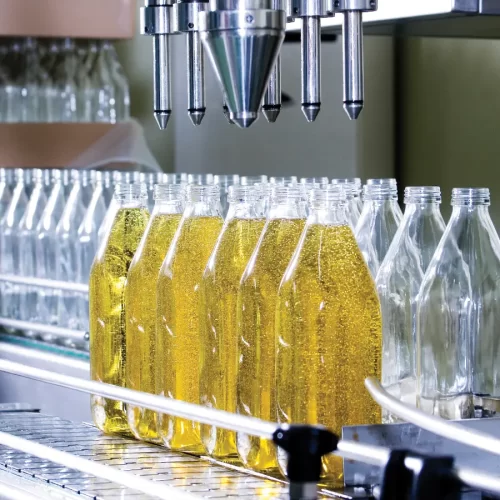
Bottling Plant. Scotmas - Chlorine Dioxide Specialist


Avoid peracetic acid’s safety and handling problems and reduce chemical costs.

CIP systems are often sanitized with strong peracetic acid doses, around 50mg/l. Peracetic acid can cause skin burns and leaves a distinctive odor that is difficult to remove.

Between 1-5mg/l of chlorine dioxide can perform the same sanitizing function as 50mg/l of peracetic acid, leaving surfaces disinfected and food safe. Unlike hypochlorite or chlorine gas treatments, ClO2 technology does not form hazardous chlorinated compounds that can taint produce.

Oxichlor chlorine dioxide generation and dosing systems are suitable for all sizes of food processing and bottling operations—from simple batch dosing systems to duty/standby disinfection systems suitable for large dairy and bio-ethanol refining operations.

The low dose rate of chlorine dioxide and the fully automatic nature of the dosing system ensures safety is considerably enhanced when switching to ClO2-based sanitation.

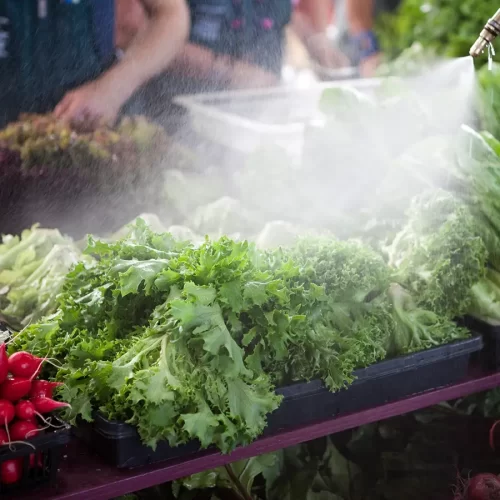
Food Processing. Scotmas - Chlorine Dioxide Specialist


Chlorinated water produces harmful by-products that can taint both taste and color. Use ClO2 to disinfect with low dose rates and no chlorinated by-products.

Effective water disinfection is crucial for maintaining shelf life and customer standards, whether for a small salad or herb washing bath or a large-scale produce cutting and washing line with flumes.

Ineffective disinfection of wash water can spread pathogenic bacteria like E. coli across multiple batches of produce, risking HACCP control point failures and costly product recalls.

Background organic compounds do not affect chlorine dioxide action, leaving more biocide free to inactivate dangerous bacteria. ClO2 can penetrate biofilms and bacteria embedded in the cuticle of fresh produce, eliminating the source of spoilage.

Cidox ClO2 tablets are ideal for one-off batch washing operations; Bravo WA provides the systems necessary to integrate ClO2 into your HACCP regime for continuous treatment.

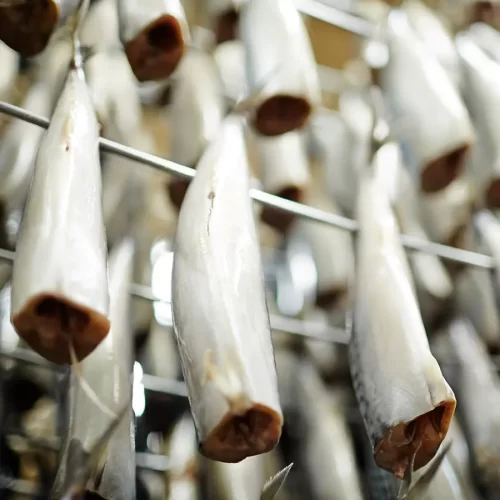
Fish Processing. Scotmas - Chlorine Dioxide Specialist


Unlike chlorine, low residuals of potable water grade Chlorine Dioxide are enough to effectively kill pathogenic microorganisms on the surface of oily fish and shellfish without leaving toxic chlorinated by-products.

Concerns over toxic chlorinated by-products in contact with fish have led to the disapproval of high concentrations of chlorine and other biocides in the latest revisions of Codex Alimentarius.

Only potable water levels of biocide can be used for water in direct contact with fish produce. The broad-spectrum action of Chlorine Dioxide and its ability to penetrate slime and oily layers make it the ideal biocide for use in washing, filleting, and ice-making applications in fish processing plants.

The low dose rates of Chlorine Dioxide required make it suitable for use with sensitive produce such as salmon, where other biocides can bleach the carcass.

Oxichlor Bravo systems can be configured for multiple-point dosing throughout the processing plant. They can be integrated with control systems to automatically measure and control biocide residuals, ensuring that enough—and no more—is applied to ensure complete protection from dangerous bacteria.

Purify | Protect | Perform
Email: info@oxichlor.com